Best Humidity Level for Sleeping: 30-50% Explained
Ideal Humidity for Sleeping: A Comprehensive Guide
Quick Answer
The sweet spot for bedroom humidity sits between 30% and 50%. Stay in this range and you’ll breathe easier, sleep better, and keep dust mites from throwing a party in your mattress.
Maintenance is the whole game with these. Cleaning intervals and water choice are covered in the EPA’s guidance on the use and care of home humidifiers, and the EPA’s overview of biological pollutants indoors explains what a dirty tank puts back into the air.
Understanding Humidity and Sleep
Humidity is just how much moisture hangs out in your air. Get it wrong, and your sleep suffers. Too dry? You’ll wake up feeling like a raisin. Too humid? You’ll feel like you’re sleeping in a swamp.
Why Humidity Matters for Sleep
Here’s why getting this right actually matters:
- Comfort: High humidity makes everything feel sticky and gross. Low humidity leaves your skin cracked and your throat scratchy.
- Allergen Control: Dust mites love humidity above 50%, while mold thrives in moisture-heavy air. Learn more about signs of too much humidity in house. Keep humidity in check, and these troublemakers struggle to survive.
- Respiratory Health: Your airways need just enough moisture to function properly—not so much that you’re wheezing, not so little that everything dries out.
Ideal Humidity Levels for Sleep
That 30% to 50% range isn’t arbitrary. Here’s the breakdown:
- 30%-40%: This is the goldilocks zone. Most people sleep best here, and dust mites hate it.
- 40%-50%: Still comfortable, but you’re flirting with mold territory if you stay here long-term.
Measuring Humidity in Your Bedroom
You need a hygrometer to actually know what’s happening in your room. For better air quality, check out how to improve indoor air quality. Guessing doesn’t work.
- Digital Hygrometers: Basic models are cheap and do the job just fine.
- Smart Home Devices: Some smart thermostats track humidity too, which is handy if you’re already in that ecosystem.
Practical Tips for Adjusting Humidity Levels
Time to fix whatever’s wrong with your air.
Increasing Humidity
Room feels like the Sahara? Here’s help:
-
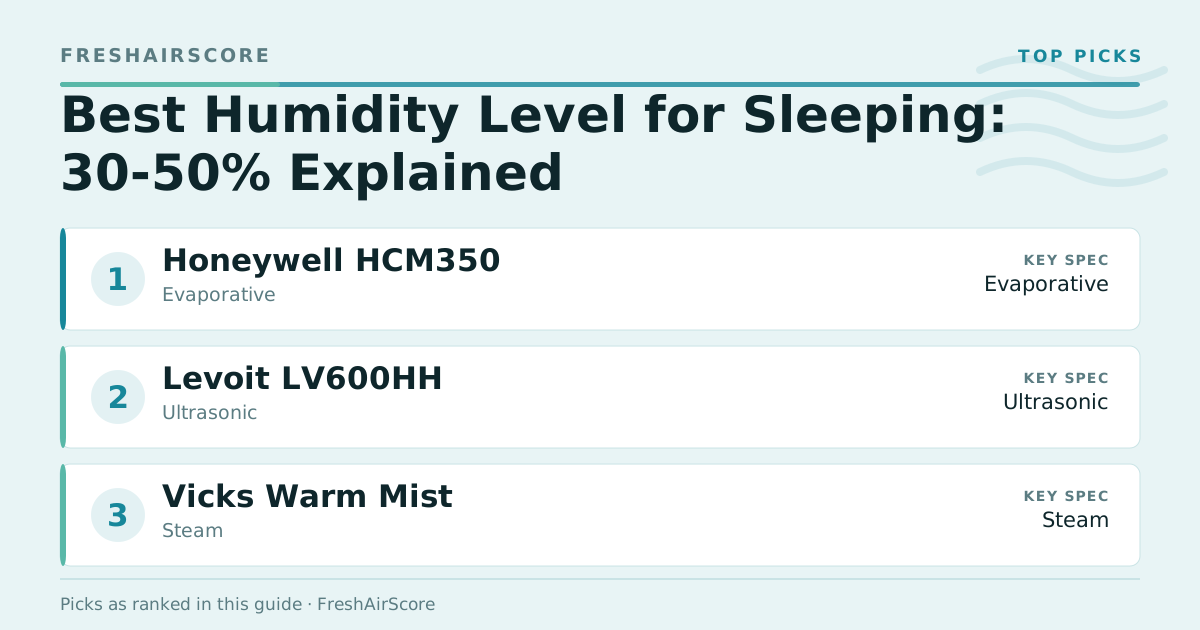
Humidifiers: These actually work. Torn between the two biggest brands? Our Levoit vs Honeywell humidifier comparison settles it. Here are the ones worth buying: | Product | Type | Room Size | Price Tier | Customer Feedback | |-----------------------|--------------|--------------|--------|-----------------------------------------| | Honeywell HCM350 | Evaporative | Up to 1,500 sq ft | Budget | Quiet operation, easy to clean | | Levoit LV600HH | Ultrasonic | Up to 750 sq ft | Budget | Adjustable humidity, remote control | | Vicks Warm Mist | Steam | Up to 500 sq ft | Budget | Great for colds, but requires regular cleaning |
-
Indoor Plants: Peace lilies and spider plants pump moisture into the air naturally. Bonus: they look nice.
Decreasing Humidity
Feeling like you live in a rainforest? Time to dry things out:
-
Dehumidifiers: These pull moisture out fast — our bedroom dehumidifier picks focus on units quiet enough to sleep next to: | Product | Type | Room Size | Price Tier | Customer Feedback | |-----------------------|--------------|--------------|--------|-----------------------------------------| | Frigidaire FFAD5033W1 | Desiccant | Up to 1,000 sq ft | Premium | Efficient, low noise | | hOmeLabs HME020031N | Compressor | Up to 1,500 sq ft | Premium | High capacity, user-friendly | | BLACK+DECKER BDT50P | Compressor | Up to 1,000 sq ft | Mid-range | Affordable, good for small spaces |
-
Ventilation: Open windows or run exhaust fans, especially after hot showers or cooking.
The Role of Bedding and Sleepwear
Your sheets and pajamas matter more than you think.
- Breathable Fabrics: Cotton and linen let air flow and wick moisture. Synthetic fabrics trap everything.
- Moisture-Wicking Sleepwear: These actually help regulate temperature and keep you from feeling clammy.
FAQ
1. Can I sleep with a humidifier on all night?
Absolutely. Just clean it regularly or you’ll be breathing in mold and bacteria—which defeats the purpose.
2. What is the best humidity level for asthma sufferers?
Stick to 30%-50%. This range starves dust mites and mold, two major asthma triggers.
3. How often should I check my bedroom’s humidity?
Daily checks are smart, especially during seasonal transitions when everything goes haywire.
4. Can high humidity cause sleep issues?
You bet. High humidity makes you sweat more, breathe harder, and toss around all night.
5. What are signs that my room is too dry?
Dry skin, nosebleeds, static shocks, and constant sniffling. Your body will let you know.
Bottom Line
Keep your bedroom humidity between 30% and 50%, and you’ll sleep better. It’s that simple. Get a hygrometer, adjust with a humidifier or dehumidifier as needed, and choose breathable bedding. Your lungs, skin, and sleep quality will thank you.